The commercial furniture industry in 2026 is defined by a convergence of aesthetic evolution, environmental accountability, and operational pragmatism. Restaurant owners, hoteliers, and hospitality buyers are navigating a landscape where furniture choices must satisfy design-forward expectations, regulatory requirements, and long-term budget realities. This guide provides a comprehensive overview of the commercial furniture trends shaping 2026, with specific product recommendations and actionable insights for venue owners and procurement professionals.
Commercial Furniture Trends 2026: Market Overview
The global furniture market has surpassed $600 billion in 2026, with the commercial segment accounting for approximately 30% of total value. Industry data indicates a compound annual growth rate (CAGR) of 5.2% for commercial furniture, driven by sustained post-pandemic hospitality renovations, new restaurant openings across Asia-Pacific and the Middle East, and large-scale hotel rebranding initiatives in North America and Europe.
Several macro forces are shaping procurement decisions:
Experience-driven design investments. Research indicates that 68% of diners have shared photos of restaurant interiors on social media, making furniture and spatial design a direct contributor to organic marketing reach. Venues investing in distinctive, photogenic furniture see measurable returns in social media visibility and customer acquisition costs.
Accelerated replacement cycles. The average replacement timeline for commercial furniture has compressed from 7-10 years to 5-7 years, as operators recognize that refreshed interiors directly impact customer perception, average check size, and repeat visit rates.
Multi-use venue design. The operational boundaries between dining, hospitality, and social spaces continue to blur. A single venue may function as a cafe by morning, a wine bar by evening, and a private event space on weekends. This demands furniture that is durable enough for daily use, elegant enough for special events, and modular enough to reconfigure quickly between service formats.
Supply chain reliability. Post-pandemic procurement strategies prioritize suppliers with diversified production capacity and consistent quality control. BAKA Furniture maintains integrated manufacturing facilities with rigorous multi-stage inspection protocols, ensuring reliable lead times and product consistency for bulk commercial orders.
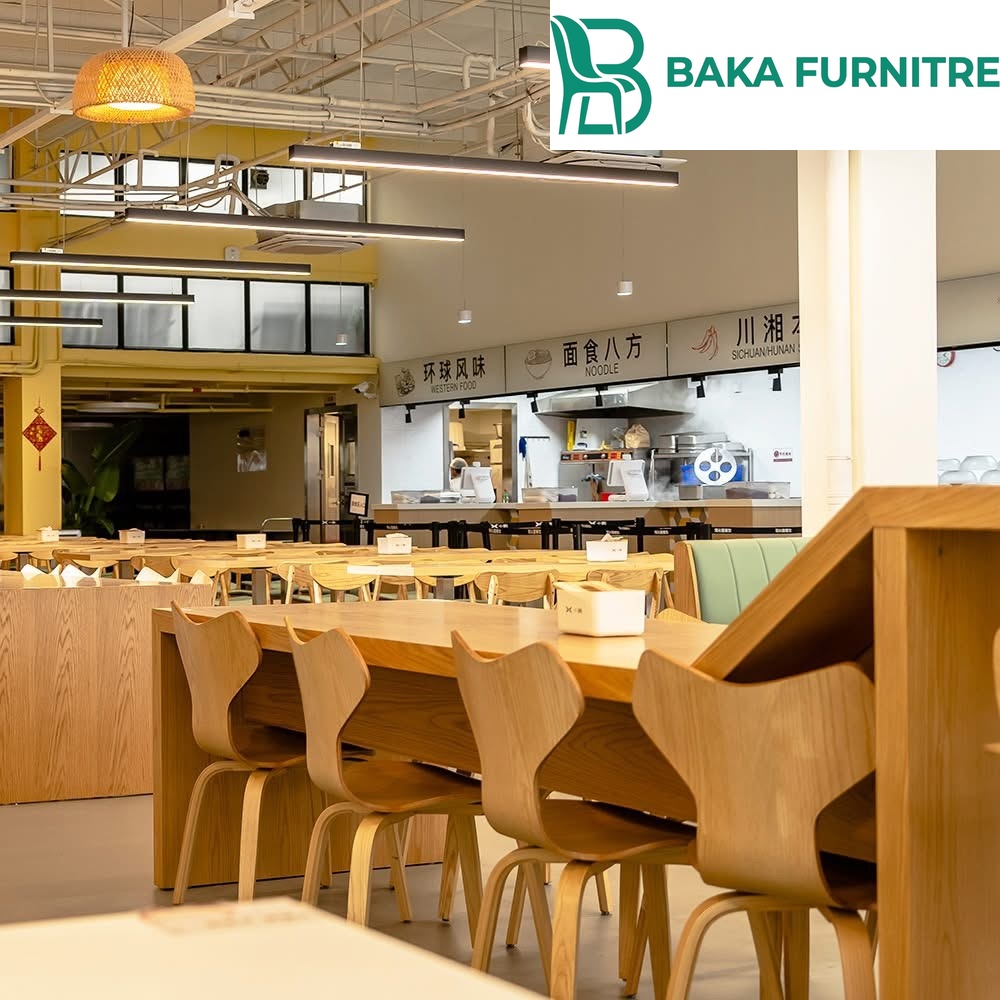
Warm Earth Tones Continue to Dominate
The defining color direction for commercial interiors in 2026 is rooted in the natural world. Warm earth tones — terracotta, olive green, camel, clay, sandstone, and deep umber — have become the preferred palette for restaurants, hotels, cafes, and bars across global hospitality markets.
Environmental psychology research demonstrates that warm-toned interiors increase perceived comfort by up to 35% compared to cool color schemes. For hospitality venues where guest dwell time directly correlates with revenue, this comfort factor translates into a measurable business advantage. Diners linger longer, order more, and report higher satisfaction scores in spaces with warm, natural color palettes.
Darker earth tones — particularly olive, deep clay, and umber — offer practical maintenance advantages in high-traffic commercial environments. They conceal minor scuffs and stains more effectively than lighter neutrals, extending the visual lifespan of upholstery between professional cleaning cycles. This practical benefit reduces total cost of ownership for venue operators managing multiple tables and seating units across a dining floor.
Earth tones also provide cross-style versatility. They function as a neutral foundation that complements rustic, modern, industrial, and transitional design aesthetics. This versatility is particularly valuable for venues planning phased renovations — the furniture investment remains visually coherent even as other design elements evolve over time.
Recommended applications by venue type:
Fine dining restaurants benefit from deep clay and burnt terracotta upholstery paired with dark wood table legs and brushed brass accents. This combination reads as sophisticated and timeless. Our commercial dining chairs are available in warm camel leather and olive fabric upholstery, offering a direct match for this elevated aesthetic.
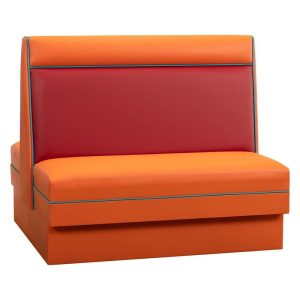
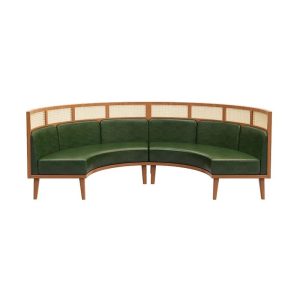
Cafes and coffee shops find that warm camel and sandstone seating creates an inviting atmosphere that encourages extended visits and return traffic. Our booth seating collection includes multiple earth-tone fabric options engineered for commercial-grade stain resistance and daily durability.
Hotels and lounge areas benefit from olive green and deep umber accent seating, which conveys a premium, refined atmosphere. Pairing these tones with brushed brass or black metal accents elevates the overall spatial design language.
Bars and pubs achieve strong results with terracotta and clay tones on bar stools, creating an energetic yet grounded atmosphere. Our bar stool collection offers these trending color options in durable, easy-clean upholstery formulated for high-turnover environments.
Mixed Materials: Wood, Metal, Cane, and Leather
Thoughtful material contrast is one of the most influential design strategies in 2026 commercial furniture. Combining different materials within a single piece or across a coordinated set creates visual depth, structural optimization, and a crafted appearance that signals quality to guests.
Each material serves a specific performance role. Metal provides structural rigidity for table bases and chair frames. Wood contributes warmth and natural variation that synthetic materials cannot replicate. Cane and rattan introduce texture, airflow, and visual lightness. Leather and premium PU upholstery deliver tactile comfort and simplified maintenance routines.
Material pairing optimizes both form and function. A dining table with a solid wood veneer top and a powder-coated steel base combines the aesthetic warmth of natural wood with the industrial-grade durability of steel. The result is furniture where high-contact surfaces are inviting while load-bearing components deliver years of reliable daily service.
Specific product recommendations for mixed-material buyers:
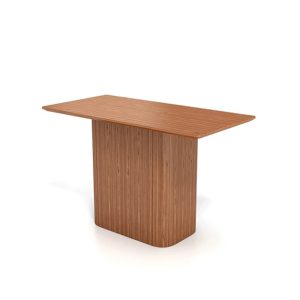
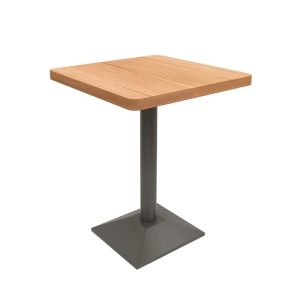
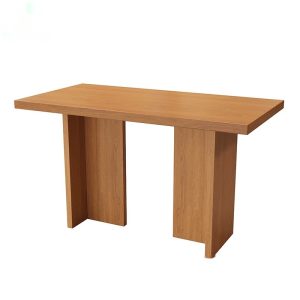
Our commercial dining tables pair natural wood veneer tabletops with powder-coated steel bases, available in multiple dimensions, wood finishes, and base styles. This wood-and-metal combination is the most requested configuration in 2026, suitable for venues from fast casual to fine dining.
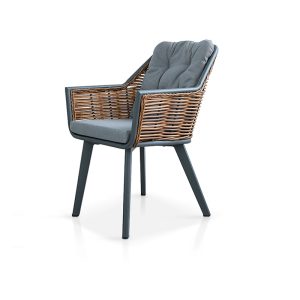
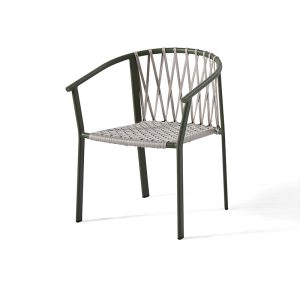
Cane back dining chairs have seen significant demand growth, particularly in warm-weather markets and coastal hospitality venues. The cane back adds texture, improves air circulation around seated guests, and reduces visual weight in dining arrangements. Our dining chair collection includes cane-back models on sturdy wood or metal frames.
Mixed-material bar stools featuring leather or PU seats on brushed steel bases offer the optimal balance of seating comfort and industrial durability for high-turnover bar environments. Browse our bar stool collection for multiple height options and material configurations.
Our modular booth seating combines fabric-upholstered seating surfaces with wood or metal divider panels, allowing venues to create distinct aesthetic zones while maintaining a cohesive design language throughout the space.
Sustainability as a Baseline Requirement
In 2026, environmental compliance is not a competitive differentiator for commercial furniture suppliers — it is a baseline expectation. Commercial buyers must verify that their furniture suppliers meet increasingly stringent regulatory standards and provide documented compliance for stakeholder reporting and certification purposes.
Key certifications relevant to commercial furniture procurement:
FSC Certification. The Forest Stewardship Council certification verifies that wood products originate from responsibly managed forests. For commercial projects pursuing green building certifications or responding to RFPs with sustainability criteria, specifying FSC-certified materials is increasingly standard practice.
CARB Phase 2 Compliance. The California Air Resources Board Phase 2 standard regulates formaldehyde emissions from composite wood products. This is particularly important for indoor commercial environments subject to air quality regulations. All BAKA Furniture composite wood products meet CARB Phase 2 requirements.
LEED Contribution. Furniture and interior materials can contribute to LEED certification points for commercial projects. Specifying furniture from manufacturers with documented environmental practices supports project teams working toward LEED v4 or v5 targets.
BAKA Furniture’s environmental approach: Our manufacturing facilities use low-VOC adhesives and finishes across all production lines. Packaging materials are predominantly recyclable cardboard and biodegradable wraps. FSC-certified wood options are available upon request for commercial projects requiring certified materials. Quality control systems are designed to minimize material waste and optimize energy use throughout the production process.
For buyers with specific regulatory or certification requirements, BAKA Furniture’s sales team provides compliance documentation and material sourcing verification tailored to individual project specifications.
Modular and Flexible Commercial Furniture
Space optimization has become a critical factor in commercial furniture investment decisions. With commercial real estate costs remaining elevated across major urban markets, venue operators need furniture systems that maximize usable space and adapt to changing operational requirements without requiring complete replacement.
The ROI case for modular furniture systems:
Modular furniture can be reconfigured to accommodate different service formats, seasonal layout changes, or special events without purchasing new furniture. This extends the useful life of the initial investment and reduces total cost of ownership over the venue’s operating lifecycle.
Furniture that serves multiple operational purposes reduces the need for dedicated storage space, freeing up square footage for revenue-generating activities. For multi-location operators, modular systems can be replicated and adapted across different floor plans, ensuring brand consistency while accommodating site-specific constraints.
Product categories optimized for flexible spaces:
Our modular booth seating includes configurations adaptable for two-person, four-person, or larger group arrangements. Interchangeable seat and back panels allow targeted replacement of high-wear components, reducing long-term maintenance costs significantly compared to fixed, non-modular alternatives.
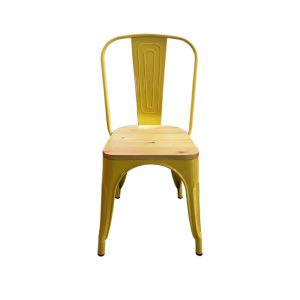
For venues transitioning between dining and event use, multi-height table configurations provide the flexibility to accommodate different service formats within the same physical footprint. Stackable and nestable seating options allow venues with variable occupancy to store and redeploy seating efficiently. Our dining chair collection includes stackable models engineered for daily commercial use.
Movable booth dividers and freestanding partitions enable venues to create private dining zones or open up the floor plan in real time, adapting to customer flow patterns and reservation density throughout the service day.
Commercial Furniture Selection Guide by Venue Type
Selecting the right furniture for a commercial venue requires balancing material durability, aesthetic goals, maintenance requirements, and budget constraints. The following comparison table provides a practical reference for buyers evaluating their options across different venue types.
| Venue Type | Recommended Materials | Budget Range | Key Considerations | Recommended Products |
|---|---|---|---|---|
| Fine Dining | Hardwood, premium upholstery, solid wood or marble tabletops | High | Elegance and comfort are primary. Acoustic management and guest experience drive material selection. | Dining chairs, wood tables |
| Fast Casual | Laminate tabletops, powder-coated metal frames, PU upholstery | Mid-Low | Durability and easy cleaning are critical. Stackable designs for flexible floor management. | Stackable chairs, metal base tables |
| Hotel | Mixed materials, upholstered seating, versatile multi-use pieces | High | Brand consistency across properties. Furniture must serve restaurant, lounge, and event functions. | Booth seating, dining tables |
| Cafe | Warm wood, cane accents, compact-scale seating | Mid-Low | Space efficiency and visual warmth are priorities. Furniture should encourage lingering. | Cafe chairs, bar stools, small tables |
| Bar / Pub | Heavy-duty materials, dark tones, easy-clean surfaces, commercial-grade upholstery | Mid | High-turnover environments demand stain resistance and structural durability. | Bar stools, high-top tables, booth seating |
| Corporate Cafeteria | Durable laminates, easy-clean upholstery, modular table systems | Mid | High-volume usage, easy reconfiguration, and long service life are paramount. | Modular tables, stackable chairs, booth seating |
Frequently Asked Questions
What are the most durable materials for commercial restaurant furniture in 2026?
Powder-coated steel and aluminum frames offer the best structural durability for commercial seating. For tabletops, high-pressure laminate (HPL) and solid wood with commercial-grade catalyzed lacquer provide the optimal balance of durability and aesthetics. For upholstery, solution-dyed polyester fabrics and premium PU leather deliver excellent stain resistance, UV stability, and color retention over years of daily use. BAKA Furniture specifies these material grades across our commercial dining chair, booth seating, and bar stool collections.
How often should commercial restaurant furniture be replaced?
The replacement cycle depends on usage intensity, maintenance quality, and material selection. For high-turnover fast casual venues operating at capacity, dining chairs typically require replacement every 5-7 years. Fine dining establishments with lower seat turnover and more careful usage patterns can expect 8-12 years of service from quality pieces. Tabletops generally last 10-15 years with proper resurfacing and care. Booth seating with replaceable cushion components can serve 7-10 years before full replacement is needed. Investing in commercial-grade furniture with replaceable parts extends overall lifespan and reduces long-term cost per use.
What is the best tabletop material for a high-volume restaurant?
For high-volume operations, high-pressure laminate (HPL) tabletops offer the strongest combination of durability, stain resistance, and cost-effectiveness. Solid wood with a commercial-grade catalyzed lacquer finish is the premium choice for fine dining venues prioritizing aesthetics and tactile quality. For outdoor or high-abuse environments, powder-coated metal tabletops provide exceptional longevity. BAKA Furniture offers both laminate and solid wood commercial dining tables with finishes engineered for different service intensities.
Is modular booth seating cost-effective for a small restaurant?
Yes. Modular booth seating is particularly cost-effective for small restaurants because it can increase seating density by 20-30% compared to individual tables and chairs, maximizing revenue per square foot. The modular construction means individual components — seats, back panels, and dividers — can be replaced independently when worn, significantly reducing long-term maintenance costs. Our modular booth seating collection is designed for easy configuration, future reconfiguration, and targeted component replacement.
What certifications should commercial furniture buyers look for?
The most important certifications for commercial furniture procurement include: CARB Phase 2 (low formaldehyde emissions for composite wood products), FSC (responsible forest management for wood and wood-based materials), CAL 117 (fire resistance standards for upholstered seating), and compliance with REACH and RoHS regulations for European-market projects. Buyers should request documentation for these certifications as part of their supplier qualification process. BAKA Furniture provides compliance documentation for all applicable certifications upon request.
How do I choose the right seating height for my commercial venue?
Standard commercial dining chair seat height is 18 inches (46 cm) for standard 30-inch tables. Counter-height seating requires 24-inch (61 cm) stools for 36-inch counter tables. Bar-height seating requires 30-inch (76 cm) stools for 42-inch bar tables. For booth seating, seat heights can be customized to match specific table dimensions. A general rule: maintain approximately a 12-inch (30 cm) difference between seat height and table top for optimal dining ergonomics. BAKA Furniture offers adjustable and custom height configurations across all product categories.
Can I mix wood tones and furniture styles in one commercial space?
Yes, and intentional material mixing is one of the defining design approaches of 2026. The key is creating deliberate contrast rather than accidental mismatch. A practical approach: use one dominant wood tone for primary furniture pieces (tables or booth framework) and introduce a secondary tone for accent pieces. Mixing materials — for example, warm wood tables paired with black metal chairs and cane-back accents — creates a curated, designer look that feels intentional rather than scattered. Our dining tables and dining chairs offer coordinated options with complementary material finishes.
What is the typical lead time for custom commercial furniture orders?
Lead times vary based on order volume, material specifications, and customization requirements. For standard configuration orders, typical lead time is 15-25 working days. Custom orders with specific material, color, or sizing requirements typically require 25-35 working days. Bulk orders for large-scale projects exceeding 100 units per category may require 30-45 working days depending on production scheduling and material availability. Contact BAKA Furniture’s sales team for specific lead time estimates based on your project timeline and specifications.
Related Products