Fixed Cafeteria Table Seating Case: Stable Rows and Repeatable Project Acceptance
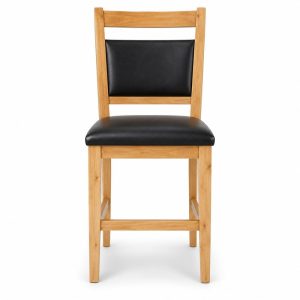
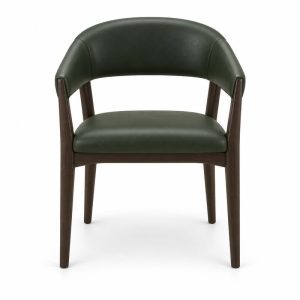
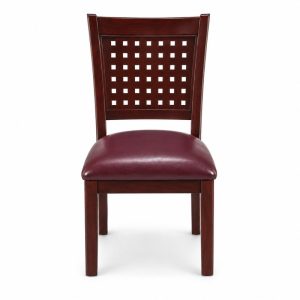
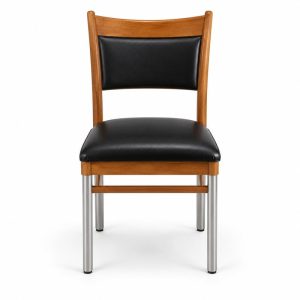
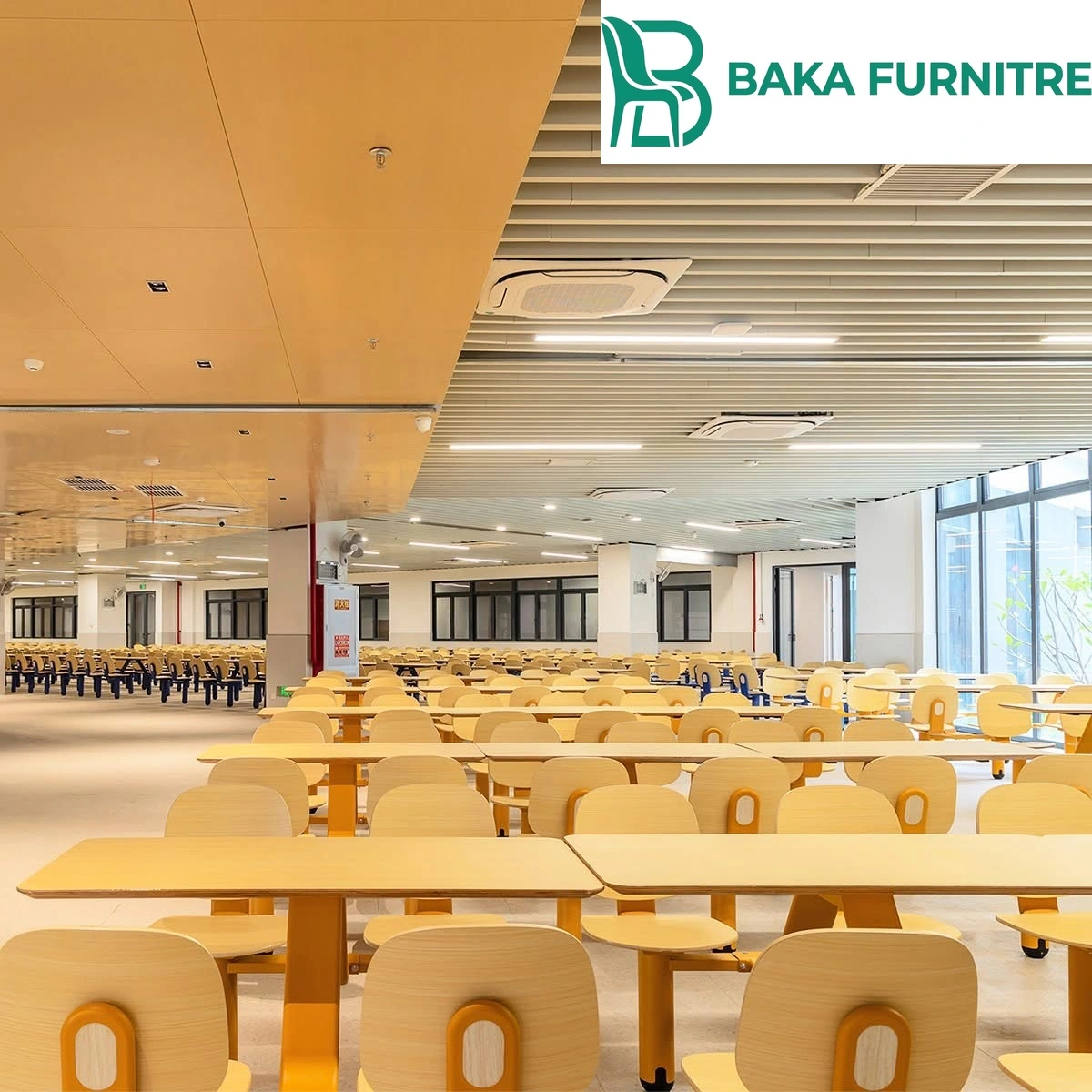
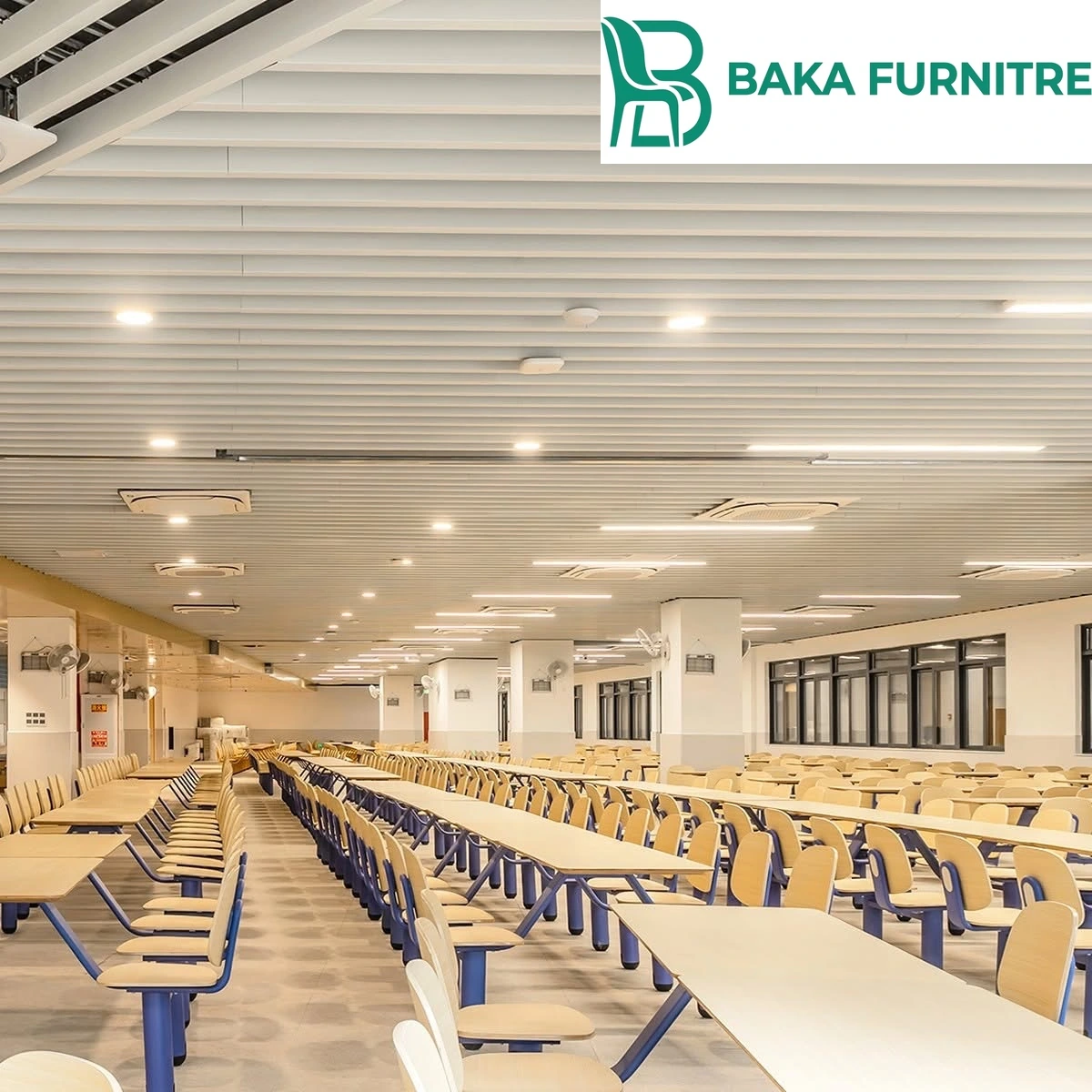
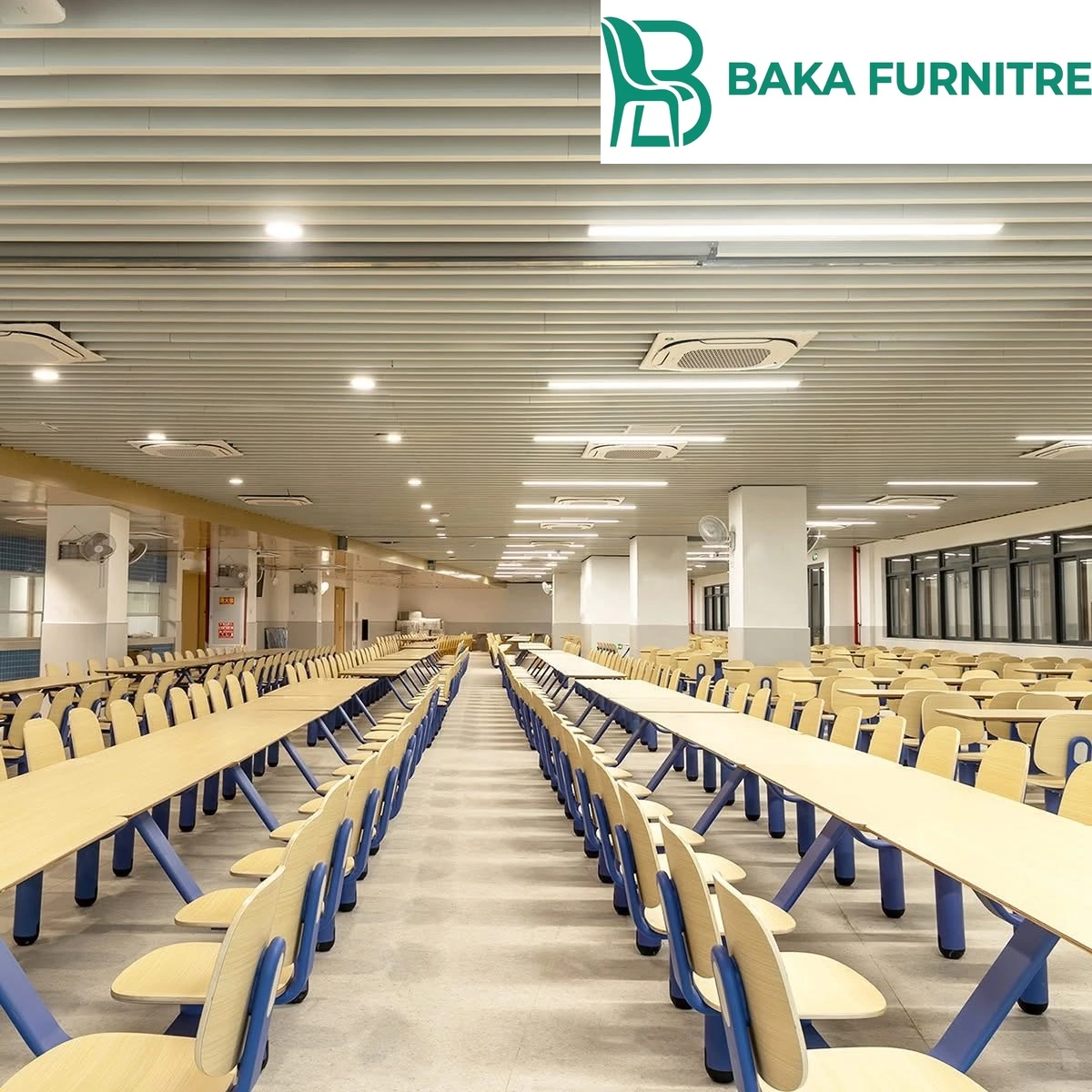
An effective fixed cafeteria table seating plan starts with circulation, operations and an approved furniture schedule—not seat count alone. This project view shows integrated table-and-seat units, warm timber-look surfaces, robust support frames and repeated seating rows. The buyer’s lesson is how these elements work together to create orderly high-capacity dining rows with fewer loose components to reposition. The photographs document an installed setting without disclosing client identity, location or unverified order data.
- What This Project Case Shows
- Translate the Visual Concept Into a Procurement Brief
- Coordinate Dimensions Without Inventing a Universal Standard
- Material and Finish Decisions Should Follow Daily Use
- Use Project Process as the Strongest Form of Credibility
- Common Mistakes to Prevent
- Preproduction and Receiving Checklist
- What to Send for a Useful Quotation
- Frequently Asked Questions
- Discuss a Similar Commercial Dining Project
What This Project Case Shows
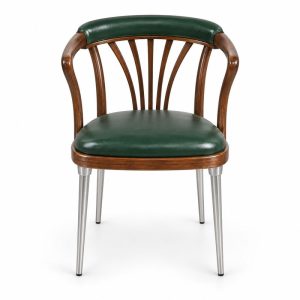
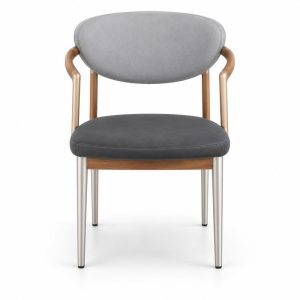
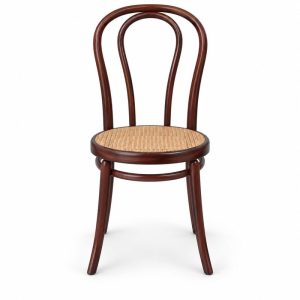
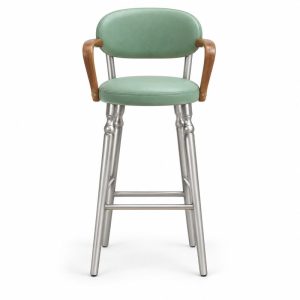
Across the 7 project photographs, the visible furniture forms a consistent system rather than a collection of unrelated products. The key procurement question is whether integrated table seating suits the operator’s cleaning, access, maintenance and future layout requirements. A serious review therefore considers the room plan, furniture footprints, finish references and operating routine together. Images help a buyer judge proportion and coordination, but final dimensions and materials must still follow approved project documents.
For this fixed cafeteria table seating review, wide views and detail views belong in the same approval record. A wide photograph explains density, sightlines and zoning, while closer views support discussion of integrated table-and-seat units, warm timber-look surfaces, robust support frames and repeated seating rows. Together they provide more decision value than a styled product image with no operating context.

Translate the Visual Concept Into a Procurement Brief
The buyer should convert the design intent into a controlled brief before requesting a final quotation. Approve the complete unit footprint and row spacing instead of calculating with separate chair and table dimensions. Check every route from unloading point to final room before production. Record which items are fixed, which can be customized and which depend on site verification. This prevents a reference photograph from being mistaken for a complete specification.
For a fixed cafeteria table seating package, the schedule should list each furniture code, quantity by zone, drawing revision, finish reference, surface direction, floor-glide requirement and packing label. It should identify doors, lifts, corridor turns and any installation sequence relevant to whether integrated table seating suits the operator’s cleaning, access, maintenance and future layout requirements. BAKA Furniture develops made-to-order work, so colors, dimensions, materials and packing are discussed against the buyer’s actual information.
Coordinate Dimensions Without Inventing a Universal Standard
No single dimension can be copied safely into every cafeteria, including the fixed cafeteria table seating situation shown here. The project designer should provide the finished room plan and applicable local access requirements. The furniture team then checks seat height, chair width and depth, table height, base position, relevant projections, occupied pull-out space and the clear path remaining for users and staff.
Dimension coordination for create orderly high-capacity dining rows with fewer loose components to reposition should happen on a scaled plan and, for important custom details, through a drawing or physical sample. Measure from finished surfaces rather than early structural lines. Note skirting, wall panels, floor build-up, columns and service equipment. If the package changes after approval, issue a new revision instead of relying on a chat message or marked screenshot.
Material and Finish Decisions Should Follow Daily Use
Integrated products concentrate performance at frame junctions, feet, seat supports and tabletop connections. The buyer’s inspection should cover alignment and stability as well as visible finish consistency. For this fixed cafeteria table seating case, the photographs guide the aesthetic and maintenance discussion, but they do not replace the buyer’s approved sample or destination-specific requirement.
A maintenance review for integrated table-and-seat units, warm timber-look surfaces, robust support frames and repeated seating rows begins with the operator’s cleaning frequency, typical spills, daily furniture movement and likely wear points. Inspect exposed edges, joints, footrests, glides, seams and contact areas. Cleaning products must suit the approved surfaces. If a test requirement applies, the buyer should name the exact standard and request the relevant document instead of accepting a vague claim.


Use Project Process as the Strongest Form of Credibility
For international buyers evaluating fixed cafeteria table seating, credibility is not created by adjectives. It comes from a traceable process: a clear inquiry, reviewed drawings, signed samples, production records, packing marks and an acceptance method. BAKA Furniture was established in 2016 and works with an approximately 30,000㎡ manufacturing facility, supported by a professional team coordinating custom commercial furniture for buyers across 50+ countries and regions.
Company facts become meaningful when the workflow for whether integrated table seating suits the operator’s cleaning, access, maintenance and future layout requirements is equally clear. Ask who records revisions, who confirms finishes, how nonconforming details are reported and what evidence accompanies packing. A supplier able to explain the choices visible in this dining environment gives a buyer more usable confidence than one offering only a general quality promise.
Common Mistakes to Prevent
The main risk in this type of project is assuming fixed units are automatically easier without testing cleaning access, damaged-part replacement and movement through doors or lifts. Other recurring mistakes include mixing finish descriptions from different documents, failing to code furniture by zone, approving quantities before the final layout, overlooking floor protection and leaving packing labels until production is complete. Each issue is preventable when one controlled furniture schedule is used by the buyer, designer and supplier.
Preproduction and Receiving Checklist
- Approve the latest finished floor plan and furniture layout.
- Link every product code to a drawing, image and finish reference.
- Confirm quantities by room or zone rather than as one unexplained total.
- Review occupied circulation, table-base conflicts and cleaning access.
- Record material, color, sheen, upholstery and edge details on samples.
- Check doors, lifts, corridors, unloading and installation sequence.
- Define carton marks and a representative receiving inspection method.
- Photograph any issue with the product code and package label visible.
What to Send for a Useful Quotation
For a fixed cafeteria table seating quotation, send a dimensioned layout, quantity by furniture type, reference images, preferred material and color direction, destination country, site-access notes and the required project sequence. Mark open details clearly and ask for options addressing whether integrated table seating suits the operator’s cleaning, access, maintenance and future layout requirements. Accurate input supports practical alternatives instead of forcing an early fixed promise about dimensions, production timing or performance.
Frequently Asked Questions
Can the furniture in this fixed cafeteria table seating case be customized?
Yes. A fixed cafeteria table seating package can be developed around the approved floor plan and project brief, including dimensions, colors, finishes, upholstery, frame details and combinations. The final specification is controlled through drawings, samples and written order documents.
Can I order from the photographs alone?
The 7 photographs in this case are useful design references, but a reliable fixed cafeteria table seating order also needs quantities, intended use, destination, material direction and key dimensions. The supplier should identify every assumption that still requires approval before production.
How should a buyer compare two furniture proposals?
Put both fixed cafeteria table seating proposals against the same schedule. Compare construction direction, finishes, actual footprints, packing scope, drawing responsibilities and documented exclusions, especially the treatment of whether integrated table seating suits the operator’s cleaning, access, maintenance and future layout requirements. Unit price alone cannot show whether the offers include the same project requirements.
What should be checked when the shipment arrives?
For this fixed cafeteria table seating type, start with carton counts and zone labels, then inspect representative units for finish match, stability, alignment, surface condition, hardware and floor glides. Check the details related to assuming fixed units are automatically easier without testing cleaning access, damaged-part replacement and movement through doors or lifts before distributing all furniture through the site.
Does BAKA publish fixed lead times or a universal warranty for these projects?
No universal promise is assumed for a fixed cafeteria table seating order. Custom details, project timing, inspection, issue handling and after-sales arrangements are discussed and recorded for that project. BAKA’s professional team follows documented issues and coordinates a practical response against the confirmed information.
Discuss a Similar Commercial Dining Project
Review commercial dining tables and project dining chairs, then send BAKA Furniture your layout and reference images. The team can help organize the furniture schedule, identify missing project information and discuss a made-to-order direction that fits the space instead of forcing the project into an unverified standard.