Why Source Commercial Furniture from China?
China has long been the world’s largest furniture producer and exporter, accounting for over 30% of global furniture production and exporting furniture worth more than USD 60 billion annually. For commercial furniture buyers — including hotel chains, restaurant groups, co-working space operators, and healthcare facility managers — sourcing from China offers compelling advantages that are hard to ignore.
- Why Source Commercial Furniture from China?
- Step 1: Finding Reliable Commercial Furniture Manufacturers
- Step 2: Specifications, Quotations, and MOQs
- Step 3: Sampling and Quality Approval
- Step 4: Quality Control and Factory Inspection
- Step 5: Shipping and Logistics
- Step 6: Customs Clearance and Duties
- Payment Terms and Contracts
- Frequently Asked Questions
Cost Advantages
The most immediate benefit is cost. Commercial furniture sourced from China typically costs 40–60% less than domestically manufactured equivalents in markets like the United States, Canada, the United Kingdom, and Australia. This price gap is not merely a function of lower labor costs — it also reflects China’s mature supply chain ecosystem, where raw materials, hardware, fabric, and foam are all produced within concentrated manufacturing regions such as Shunde (seating), Yuejin (office furniture), and Dali (metal furniture). Vertical integration within these clusters reduces logistics overhead, shortens production lead times, and allows manufacturers to offer competitive pricing without sacrificing quality.
Quality Has Caught Up
Over the past decade, Chinese commercial furniture manufacturers have invested heavily in automated production lines, CNC machining centers, powder coating booths, and fabric-cutting systems. Many mid-to-large factories now operate under ISO 9001 quality management systems and can produce furniture that meets or exceeds the durability standards expected in Western commercial environments. The stereotype of “cheap Chinese furniture that falls apart in a year” is increasingly outdated — particularly among manufacturers who export regularly and understand international quality expectations.
Product Diversity
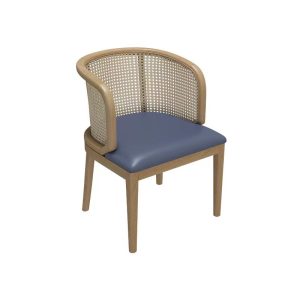
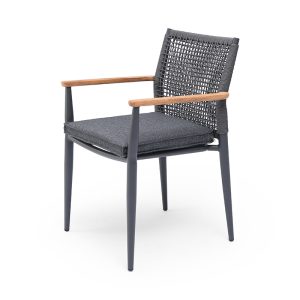
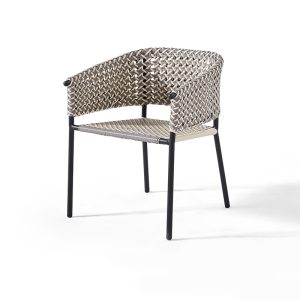
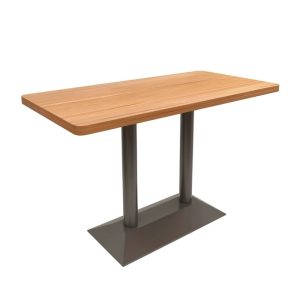
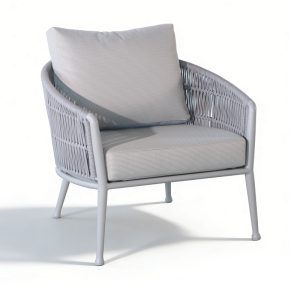
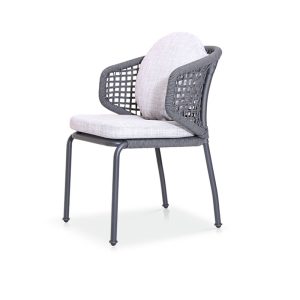
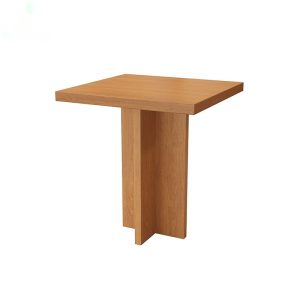
Chinese factories produce the full spectrum of commercial furniture: restaurant tables and chairs, booth seating and banquettes, bar stools, lounge seating, office workstations, meeting tables, KTV sofas, hotel guest room furniture, outdoor dining sets, and healthcare seating. Whether you need a custom-upholstered banquette for a fine dining restaurant or a thousand stackable chairs for a convention hall, there is a manufacturer with relevant production experience.
Step 1: Finding Reliable Commercial Furniture Manufacturers
Finding a trustworthy manufacturer is the most critical step in the import process. A poor supplier choice can lead to delayed shipments, substandard quality, or worse — a container of unusable furniture. Here is a framework for evaluating potential suppliers.
Manufacturer Evaluation Criteria
| Criteria | What to Look For | Red Flags |
|---|---|---|
| Export Experience | At least 3–5 years of direct export; references from buyers in your country; knowledge of your market’s compliance requirements | No export history; cannot name specific countries they have shipped to; vague about shipping documentation |
| Factory Audit | Willingness to arrange a live video tour or in-person visit; organized production floor; separate finishing and assembly areas | Refuses video tours; photos on Alibaba appear stock or inconsistent; claims to be a factory but address is a trading company office |
| English Communication | Clear written communication; responds within 24 hours during business days; can explain technical details in English | Pre-written template responses; misunderstands basic specifications; requires translator for every interaction |
| Quality Certifications | ISO 9001 for quality management; FSC or CARB for wood products; CE marking where applicable; relevant fire retardancy standards for upholstery | Claims certifications but cannot provide certificates; expired certifications; certifying body is unknown or unverifiable |
| Client References | Can provide 3–5 past clients in similar business segments; allows direct contact with references | No traceable client history; references are all domestic Chinese companies with no relevance to your market |
Where to Find Manufacturers
Start with B2B platforms such as Alibaba, Made-in-China, and Global Sources. Filter for “verified suppliers” and “assessment done” badges. Look for manufacturers with a physical factory address in a known furniture cluster rather than a trading company address in Guangzhou or Shenzhen. Trade shows like the Canton Fair (Guangzhou), CIFF (Guangzhou), and Furniture China (Shanghai) are excellent places to meet suppliers in person and evaluate product quality firsthand.
Step 2: Specifications, Quotations, and MOQs
Once you have shortlisted potential manufacturers, the next step is to communicate your requirements clearly and obtain meaningful quotations.
Writing an Effective RFQ
A well-structured Request for Quotation (RFQ) should include: product type and intended use, target dimensions and tolerances, material specifications (wood species, metal gauge, foam density, fabric grade), finish requirements (paint color code, stain type, texture), estimated quantity per SKU and total order value, packaging requirements (export carton, plywood crate, palletizing), target price range (FOB or CIF your port), and your expected delivery timeline. The more specific your RFQ, the more accurate and comparable the quotations you will receive.
Understanding Incoterms and Pricing
Quotations are typically provided under one of three common Incoterms:
- FOB (Free on Board): The supplier handles all costs until the goods are loaded onto the vessel at the named port of departure. You pay for ocean freight, insurance, and destination-side costs. This is the most common arrangement and gives you control over shipping and logistics.
- CIF (Cost, Insurance, and Freight): The supplier covers cost, insurance, and freight to the destination port. Simpler for the buyer but the supplier controls shipping, which may mean higher freight costs built into the price.
- DDP (Delivered Duty Paid): The supplier bears all costs and risk until the goods arrive at your door, including customs duties. Convenient but typically the most expensive option and carries more risk if the supplier is inexperienced.
Minimum Order Quantities (MOQs)
MOQs vary widely by product category and factory size. For commercial seating, typical MOQs range from 50 to 200 units per style. For tables, the range is typically 30 to 100 pieces. Smaller factories may offer lower MOQs (10–30 pieces) at a higher per-unit price. Be prepared to negotiate — if you commit to a mixed container (combining multiple products), many factories will reduce MOQ requirements per SKU. Some suppliers offer stock programs for popular models, allowing you to order as few as 10–20 pieces for initial trials before scaling up.
Step 3: Sampling and Quality Approval
Never place a production order without first approving physical samples. This step protects both you and the supplier by establishing a clear quality benchmark.
The Sample Process
Request one to three samples for each product you plan to order. The supplier will typically charge for samples (USD 100–500 per piece depending on complexity) and shipping. Reputable suppliers will deduct sample costs from your first production order. Allow 2–4 weeks for sample production and 3–7 days for international courier delivery (DHL, FedEx, UPS).
What to Verify on Samples
When you receive samples, check: structural stability and weight-bearing capacity, finish consistency and color accuracy against your reference, upholstery seams and stitching quality, foam density and comfort level, hardware durability (leg glides, brackets, bolts), dimensional accuracy against your specification sheet, assembly ease and included hardware, packaging adequacy for freight protection. Document everything with photographs and measurements. If revisions are needed, provide specific written feedback rather than subjective comments like “make it feel better.”
Step 4: Quality Control and Factory Inspection
Quality control is not a single event but a process that spans the entire production cycle. The most reliable approach is a three-stage inspection system conducted by an independent third party.
Three-Stage Inspection Framework
- Pre-Production Inspection (PPI): Conducted before production begins. The inspector verifies raw materials (wood, foam, fabric, metal), reviews the production schedule, and confirms that all specifications from your approved sample are documented in the work order.
- During Production Inspection (DUPRO): Conducted when 20–30% of production is complete. This catches issues early — incorrect stitching, substandard welds, wrong finish application — while there is still time to correct them without delaying the entire order.
- Pre-Shipment Inspection (PSI): Conducted when 80–100% of goods are ready. The inspector randomly samples cartons using AQL (Acceptable Quality Limit) standards — typically AQL 2.5 for major defects and 4.0 for minor defects. If the failure rate exceeds the AQL threshold, the shipment is rejected until corrections are made.
Third-Party Inspection Services
Major inspection providers operating in China include SGS, QIMA, Bureau Veritas (BV), and TUV Rheinland. A typical on-site inspection costs USD 300–500 per manday depending on the location of the factory and the complexity of the product. Many buyers opt for a combined DUPRO + PSI inspection package. You can also hire independent inspectors through platforms like AsiaInspection or HQTS for smaller orders.
Step 5: Shipping and Logistics
Once the goods pass inspection, the next consideration is getting them to your destination efficiently and cost-effectively.
Sea Freight Timelines by Destination
| Destination Region | Typical Transit Time | Major Ports of Entry |
|---|---|---|
| US West Coast | 18–25 days | Los Angeles, Long Beach, Oakland, Seattle, Vancouver |
| US East Coast | 25–35 days | New York/Newark, Savannah, Charleston, Norfolk, Houston |
| Europe (North) | 25–35 days | Hamburg, Rotterdam, Antwerp, Felixstowe, Bremerhaven |
| Europe (Mediterranean) | 22–30 days | Piraeus, Genoa, Barcelona, Valencia, Marseille |
| Middle East | 15–20 days | Dubai (Jebel Ali), Dammam, Jeddah |
| Australia / New Zealand | 15–22 days | Sydney, Melbourne, Brisbane, Auckland |
| Southeast Asia | 7–14 days | Singapore, Port Klang, Jakarta, Manila, Ho Chi Minh City |
FCL vs LCL Shipping
Full Container Load (FCL) is cost-effective when your order fills at least 60% of a 20-foot or 40-foot container. A 20-foot container holds approximately 20–25 cubic meters of furniture products; a 40-foot container holds 55–60 cubic meters. For smaller orders, Less than Container Load (LCL) allows you to share container space with other shipments. LCL is more expensive per cubic meter and carries higher risk of damage, but it is a practical option for first-time importers or trial orders. Always ensure your supplier uses proper packaging — plywood crating for fragile items, corner protectors for upholstered goods, and moisture barrier bags for sea freight.
Step 6: Customs Clearance and Duties
Navigating customs is often the most intimidating step for first-time importers, but with proper documentation and a clear understanding of duties, the process is straightforward.
Required Documentation
Your freight forwarder or customs broker will need: commercial invoice (issued by the supplier), packing list with carton-by-carton contents and dimensions, bill of lading (ocean freight) or airway bill (air freight), certificate of origin (often required for preferential duty rates), and any compliance documentation (fire retardancy test reports, formaldehyde emission test results for wood products, wood packaging treatment certificates for ISPM-15 compliance).
HS Code Classification and Duty Rates
Commercial furniture typically falls under HS Chapter 94. Seating (chairs, sofas, bar stools) is classified under HS 9401, while other furniture (tables, desks, shelving) falls under HS 9403. If the furniture contains upholstery, additional HS sub-codes apply. Duty rates vary by country and material composition:
- United States: Most wooden furniture: 0–5.3%; upholstered seating: 1.8–8%; steel furniture: 0–3.9%. Note that certain Chinese-made furniture products are subject to additional Section 301 tariffs (ranging from 7.5% to 25% depending on the product category and current exclusion status). Always verify the current Harmonized Tariff Schedule with a qualified customs broker before finalizing your order.
- European Union: Most furniture imports: 0–5.7% depending on the specific HS code.
- United Kingdom: Similar to EU rates post-Brexit; most furniture faces 0–5.7% duty.
- Australia: Many furniture items enter duty-free under various trade agreements. Verify under the current tariff schedule.
- Canada: Furniture duties range from 0–8% depending on material.
- Middle East (GCC): Typically 5% flat duty on commercial furniture imports.
Working with a Customs Broker
Engaging a licensed customs broker in your destination country is strongly recommended, especially for your first few shipments. A good broker will handle classification, duty calculation, document submission, and any inspections requested by customs authorities. Brokerage fees typically range from USD 100–300 per entry.
Payment Terms and Contracts
Clear payment terms protect both parties and establish a professional framework for the transaction.
Common Payment Structures
The most common payment arrangement for commercial furniture imports from China is T/T 30/70: 30% deposit upon contract signing to initiate production, and 70% balance payment upon completion — typically after the pre-shipment inspection report is issued and before the goods leave the factory. For larger orders exceeding USD 50,000, an L/C (Letter of Credit) from a confirmed bank provides additional security for both buyer and seller. Smaller trial orders under USD 3,000 may be paid entirely via PayPal, Alibaba Trade Assurance, or credit card, but these methods carry higher transaction fees.
Contract Essentials
A solid commercial contract should include: product descriptions with reference photos or drawings, unit prices and total order value under the agreed Incoterm, delivery timeline with milestones and liquidated damages for delays, payment schedule and acceptable payment methods, quality standards referencing the approved sample, inspection rights and AQL levels, packaging and marking specifications, warranty terms (typically 12–24 months for commercial furniture), and dispute resolution terms (arbitration in a neutral jurisdiction such as Singapore or Hong Kong is common).
Frequently Asked Questions
What is the typical minimum order quantity for commercial furniture from China?
MOQs generally range from 50 to 200 units per style for seating products and 30 to 100 pieces for tables. Many manufacturers will negotiate lower MOQs if you are combining multiple SKUs into one container. Trial orders of 10–30 pieces are sometimes possible for stock models.
How do I ensure the quality of furniture manufactured in China?
Use a three-stage inspection process (pre-production, during production, pre-shipment) conducted by a reputable third-party inspection company like SGS, QIMA, or Bureau Veritas. Always approve a physical sample before production begins. Establish clear quality standards in your contract referencing the approved sample.
What payment terms are standard for Chinese furniture suppliers?
T/T 30/70 (30% deposit, 70% before shipment) is the industry standard. For larger orders, irrevocable Letters of Credit (L/C) from confirmed banks provide additional security. Trade Assurance through Alibaba offers protection for smaller orders.
How long does the entire import process take from order to delivery?
A typical timeline is 10–16 weeks: 2–4 weeks for sampling and approval, 4–6 weeks for production, 1–2 weeks for quality inspection and logistics preparation, and 3–5 weeks for sea freight to the destination port (varies by route). Air freight can reduce transit time to 3–7 days but costs significantly more.
Are there additional tariffs on Chinese furniture imports to the US?
Yes, certain Chinese furniture products are subject to Section 301 tariffs in addition to standard duty rates. The additional tariffs range from 7.5% to 25% depending on the product category. These tariffs are subject to change. Work with a customs broker to confirm the current rates before placing your order. Consider FOB or DDP pricing structures to manage cost uncertainty.
Which Incoterm should I use for my first furniture import?
FOB (Free on Board) is generally recommended for first-time importers because it gives you control over the shipping and logistics process. You can select your own freight forwarder, compare shipping quotes, and track the shipment directly. CIF can be simpler but gives the supplier control over the shipping booking, which may result in higher freight costs.
Can I order a mixed container with different types of furniture?
Yes, mixed containers are common and often preferred. Combining booth seating, dining chairs, tables, and bar stools in one shipment saves on freight costs and simplifies logistics. Many manufacturers offer mixed-container programs. Ensure each item is individually packaged and protected for sea freight to prevent damage during transit.
What documentation do I need for customs clearance?
The essential documents are: commercial invoice, packing list, bill of lading (or airway bill), certificate of origin, and any compliance certificates (fire retardancy, formaldehyde emission, ISPM-15 wood packaging treatment). Your customs broker will advise on additional documents specific to your product category and destination country.
Related Products