The frame is the foundation of any commercial chair, and choosing the right frame material is one of the most consequential decisions in furniture procurement. Whether you are outfitting a high-volume fast-casual restaurant, an upscale hotel lounge, or a corporate dining facility, the frame material determines not just the chair’s appearance, but its durability, maintenance requirements, lifespan, and total cost of ownership. Each material category — metal, wood, and fully upholstered — offers distinct advantages and trade-offs that procurement managers must carefully evaluate.
- Understanding Frame Material Performance Metrics
- Metal Frames: Strength, Versatility, and Modern Appeal
- Wood Frames: Timeless Beauty with Proven Durability
- Fully Upholstered Frames: Maximum Comfort and Design Integration
- Frame Material Comparison Table
- Making the Right Choice for Your Commercial Environment
- Frequently Asked Questions About Chair Frame Materials
Understanding the performance characteristics of each frame material is essential for making informed purchasing decisions. A chair that performs beautifully in a low-traffic boutique hotel may fail within months in a high-turnover family restaurant. This guide provides a comprehensive comparison of metal, wood, and upholstered chair frames, examining their durability, aesthetic versatility, maintenance needs, cost considerations, and optimal applications so you can make the right choice for your specific commercial environment.
Understanding Frame Material Performance Metrics
Before comparing specific materials, it is important to understand the key performance metrics used to evaluate commercial chair frames. ANSI/BIFMA X5.1 is the industry standard test for commercial seating, measuring durability through a series of rigorous tests including cyclic loading (simulating years of sitting and standing), impact testing (simulating someone dropping into a seat), and tilt testing (simulating leaning back). Chairs that pass ANSI/BIFMA X5.1 testing are rated for commercial use, while those that do not are suitable only for residential applications.
Beyond BIFMA certification, other important performance factors include weight capacity ratings (typically 250-500 lbs for commercial chairs), resistance to environmental factors such as humidity and temperature fluctuations, ease of repair and refinishing, and the chair’s overall weight, which affects shipping costs and ease of rearrangement. Each frame material performs differently across these metrics, and the optimal choice depends on the specific demands of your environment.
Lifecycle cost is another critical but often overlooked factor. A chair with a lower upfront price may require replacement or reupholstery years sooner than a higher-quality alternative, resulting in a higher cost per year of service. When evaluating frame materials, procurement managers should calculate total cost of ownership over a 10-year period rather than comparing initial purchase prices alone.
Metal Frames: Strength, Versatility, and Modern Appeal
Metal frames, typically constructed from steel or aluminum, offer exceptional strength-to-weight ratios and outstanding durability in demanding commercial environments. Steel frames, usually made from 14-16 gauge tubular steel, provide the highest weight capacity and greatest resistance to structural fatigue. Many commercial steel frames are rated for weights exceeding 350 lbs and can withstand tens of thousands of BIFMA test cycles without failure. Aluminum frames, while lighter and resistant to rust, typically have lower weight capacities than steel but offer the advantage of easier mobility and resistance to corrosion in outdoor or high-humidity environments.
From a design perspective, metal frames offer clean lines and a modern aesthetic that complements contemporary interior designs. Powder-coated finishes provide excellent durability and scratch resistance, while chrome and brushed metal finishes offer a more premium appearance. Metal frames also allow for thinner profiles than wood or upholstered frames, creating a more open, less visually bulky look that can make small spaces appear larger.
One significant advantage of metal frames is their resistance to environmental damage. Unlike wood, metal does not warp, crack, or swell in response to humidity changes. Unlike upholstered frames, metal has no fabric to stain or tear. This makes metal-frame chairs ideal for high-turnover restaurants, bars, and outdoor dining areas where exposure to moisture, temperature fluctuations, and heavy use is constant. However, metal frames can feel cold and uninviting without seat cushions, and they may develop squeaks over time if joints are not properly welded or fastened. Powder-coated finishes can chip if struck with sufficient force, exposing the underlying metal to potential rust on steel frames.
Wood Frames: Timeless Beauty with Proven Durability
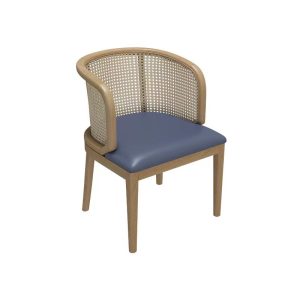
Wood frames have been the backbone of commercial furniture for centuries, offering timeless aesthetic appeal that complements virtually any design style from traditional to contemporary. The most common wood species used in commercial chair frames include oak, beech, maple, and walnut, each offering different levels of hardness, grain appearance, and cost. Oak and beech are the most popular choices for high-traffic commercial applications due to their exceptional hardness and resistance to wear.
The key to wood frame durability lies in the joinery. High-quality commercial wood chairs use mortise-and-tenon joinery reinforced with glue and dowels, or in some cases, corner blocks screwed and glued for additional strength. Avoid wood chairs that rely primarily on staples or nails for joinery, as these will loosen over time under commercial use. Kiln-dried wood with moisture content between 6-9% provides optimal stability and resistance to warping in climate-controlled environments.
Wood frames offer the advantage of being refinishable. A solid wood chair that becomes scratched or worn can be sanded and refinished to restore its original appearance, significantly extending its useful life. This is not possible with metal frames that have chipped powder coating or upholstered frames with damaged fabric. Wood frames also naturally absorb sound, contributing to better acoustics in busy dining environments compared to the harder surfaces of metal frames.
The primary disadvantages of wood frames are their susceptibility to environmental conditions and their higher weight compared to aluminum frames. Wood can warp, crack, or swell in environments with high humidity or significant temperature fluctuations. For this reason, solid wood chairs are best suited for climate-controlled indoor environments rather than outdoor or semi-enclosed spaces. Additionally, high-quality wood chairs represent a significant upfront investment, though their refinished longevity often justifies the cost over time.
Fully Upholstered Frames: Maximum Comfort and Design Integration
Fully upholstered chair frames, also known as fully upholstered seating, use internal hardwood or engineered wood frames completely covered with foam, padding, and fabric. This construction approach prioritizes comfort and design flexibility above all else, making it the preferred choice for fine dining restaurants, hotel lobbies, and executive settings where guest comfort and aesthetic impact are paramount.
The internal frame of a fully upholstered chair is typically constructed from kiln-dried hardwood plywood or engineered wood, shaped to the desired form and reinforced at stress points. Over this frame, multiple layers of padding are applied — typically a high-resiliency polyurethane foam core with density ratings of 2.0-2.8 lbs for commercial use, topped with a polyester fiber wrap for softness. The entire assembly is then covered with the chosen upholstery fabric, which is stapled and glued to the frame on all surfaces that will not be visible on the finished chair.
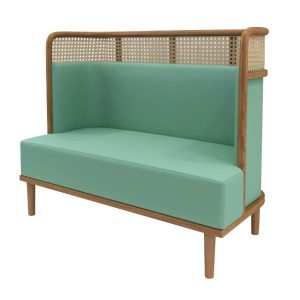
Fully upholstered frames excel in environments where chairs are used for extended periods. The generous padding provides superior pressure distribution and comfort compared to the minimal cushioning of metal or wood frame chairs. From a design perspective, fully upholstered chairs offer the greatest freedom of form, allowing for curved backs, tufted details, and sculpted shapes that would be impossible with exposed frame construction. They also allow designers to introduce pattern, texture, and color on every surface of the chair, creating a powerful visual statement.
The main drawback of fully upholstered frames is that every surface is a potential stain or wear point. In high-traffic environments, fabric can show soiling, fading, and abrasion more quickly than the hard surfaces of wood or metal frames. Reupholstery is possible but labor-intensive and costly, often approaching 50-70% of the original chair cost. For this reason, fully upholstered chairs in high-traffic areas should always be specified with commercial-grade performance fabrics rated for 30,000+ double rubs on the Wyzenbeek test.
Frame Material Comparison Table
| Factor | Metal Frames | Wood Frames | Upholstered Frames |
|---|---|---|---|
| Durability Rating | Excellent (steel: 350+ lbs capacity) | Very Good (300+ lbs with quality joinery) | Good (250+ lbs, depends on internal frame) |
| BIFMA Rating | Passes all tests reliably | Passes with quality construction | Passes but fabric wears first |
| Humidity Resistance | Excellent (no warping, no swelling) | Moderate (can warp in high humidity) | Moderate (foam can absorb moisture) |
| Comfort Level | Moderate (requires cushion) | Good (ergonomic shaping possible) | Excellent (full foam padding) |
| Maintenance | Low (wipe clean, touch up paint) | Low (dust, occasional refinish) | High (professional cleaning, reupholstery) |
| 10-Year TCO Estimate | $180-$350 per chair | $200-$400 per chair | $300-$600 per chair |
| Best Applications | Fast-casual, bars, outdoor dining | Fine dining, hotels, corporate | Fine dining, lounges, executive |
Making the Right Choice for Your Commercial Environment
The best frame material for your project depends on the specific demands of your environment. For high-turnover restaurants and bars where chairs see continuous use and occasional abuse, metal frames from commercial dining chair collections offer unbeatable durability and easy maintenance. For fine dining establishments and hotels where ambiance and guest experience are paramount, wood frames provide timeless elegance that can be refinished and maintained for decades. For lounge areas and executive settings where guests spend extended periods seated, fully upholstered chairs offer superior comfort and design impact.
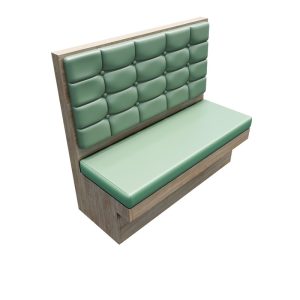
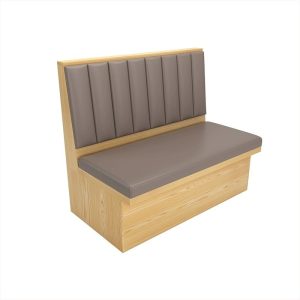
Many successful commercial spaces use a combination of frame materials throughout different zones. A booth seating area with wood frames and upholstered seats offers the best of both worlds for family dining, while bar stools in metal or wood with padded seats provide durability and comfort at the bar counter. Commercial dining tables paired with the right chair frames complete the look and function of your space.
At BAKA Furniture, we offer all three frame material options across our commercial seating range. Our team works with procurement managers to select the right frame material based on application, traffic levels, design goals, and budget requirements. We provide ANSI/BIFMA certification documentation, material specifications, and warranty information for every product. Whether you need metal chairs for a high-volume fast-casual concept or fully upholstered seating for a fine dining establishment, our commercial-grade options deliver the performance and longevity your project demands.
Frequently Asked Questions About Chair Frame Materials
Which frame material lasts the longest in commercial use?
Steel frames with proper powder-coating typically offer the longest service life in high-traffic commercial environments, often lasting 15-20 years with minimal maintenance. Quality wood frames with proper joinery can last 20-30 years with refinishing every 5-10 years. Fully upholstered frames typically require reupholstery every 5-7 years in commercial use but can last indefinitely with proper maintenance.
Are wood chairs suitable for outdoor or semi-outdoor dining?
Solid wood chairs can be used in covered outdoor areas if they are made from weather-resistant species like teak or eucalyptus, or if they have a marine-grade finish. However, for fully exposed outdoor dining, metal or aluminum frames are generally preferred due to their superior moisture and UV resistance.
How can I tell if a wood chair has quality joinery?
Look for mortise-and-tenon or dowel joinery at all stress points, particularly where legs meet the seat frame and where back posts connect to the seat. Quality chairs will have visible wood-to-wood joinery rather than staples or metal brackets. Corner blocks screwed and glued into each corner of the seat frame indicate commercial-grade construction.
What is the best frame material for a family restaurant with heavy daily use?
For family restaurants with high turnover and diverse customer demographics, metal frames with upholstered seats offer the best combination of durability, comfort, and ease of cleaning. The metal frame withstands heavy use while the upholstered seat provides comfort for extended dining. Consider commercial-grade vinyl or performance fabric on the seat for easy wipe-clean maintenance.
Do fully upholstered chairs meet commercial fire safety codes?
Yes, when specified correctly. All commercial upholstered chairs must meet CAL 117 requirements for foam flammability and NFPA 260 standards for fabric flammability. Reputable commercial furniture manufacturers, including BAKA Furniture, provide flammability certification documentation with every order to ensure local fire code compliance.
Can mixed frame materials work well in the same dining space?
Absolutely. In fact, mixing frame materials is a popular design strategy for creating visual interest and defining different zones within a larger space. Metal bar stools at the counter, wood chairs at dining tables, and upholstered armchairs in lounge areas create a layered, intentional design while optimizing each furniture type for its specific use.
Related Products