The tabletop is the most heavily used surface in any restaurant. It supports thousands of meals per year, endures constant contact with plates, glasses, utensils, and hot dishes, and bears the brunt of spills, scrapes, and cleaning chemicals. Choosing the right tabletop material is therefore one of the most important purchasing decisions a restaurant owner can make. This comprehensive guide compares the three dominant commercial tabletop materials in 2026 — solid wood, high-pressure laminate, and sintered stone — across durability, aesthetics, maintenance, cost, and total cost of ownership. By the end, you will have the data needed to select the right tabletop material for your specific venue type, budget, and operational requirements.
Solid Wood Tabletops: Timeless Aesthetics with Long-Term Value
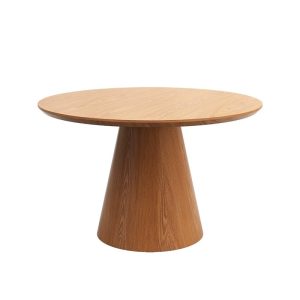
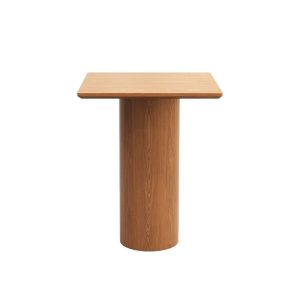
Solid hardwood tabletops have been the gold standard in commercial dining for centuries, and for good reason. Wood offers natural beauty, warmth, and character that synthetic materials cannot replicate. In 2026, solid wood remains the preferred choice for fine dining, farm-to-table concepts, and venues where the dining experience is central to the brand identity.
Wood Species and Grades for Commercial Use
White oak is the most popular commercial-grade wood species for restaurant tables, accounting for approximately 40% of solid wood tabletop sales. White oak offers excellent hardness (Janka rating 1,360), a tight grain pattern that resists food and liquid penetration, and natural tannins that provide inherent moisture resistance. White oak accepts stains and finishes uniformly, making it suitable for both clear natural finishes and darker stained looks. Quarter-sawn white oak offers superior dimensional stability and a distinctive ray pattern valued in high-end applications.
Hard maple (Janka rating 1,450) is the hardest domestic commercial wood species, offering exceptional wear resistance. Maple has a subtle, even grain that works well in contemporary and minimalist designs. It accepts painted or opaque finishes exceptionally well due to its tight pore structure. Maple is the preferred choice for commercial tables in high-turnover casual dining environments where durability is the primary consideration.
Black walnut (Janka rating 1,010) offers rich chocolate-brown coloration that creates a premium, sophisticated appearance. Walnut is softer than oak or maple, making it more susceptible to denting and scratching in high-traffic commercial use. Walnut tabletops require a harder commercial-grade catalyzed finish to protect the softer wood beneath. Walnut is typically specified for fine dining and executive dining rooms where aesthetics take priority over ultimate hardness.
Teak (Janka rating 1,070) is the premier choice for outdoor and semi-outdoor dining applications due to its natural oil content, which provides exceptional moisture and insect resistance. Teak weathers to an attractive silver-gray patina when left unfinished. For indoor commercial applications, teak’s high oil content can complicate finish adhesion, requiring specialized preparation and finishing techniques.
Finishing Systems for Commercial Wood Tabletops
The finish applied to a solid wood tabletop is as important as the wood species itself. In commercial settings, the finish must protect against moisture, heat (up to 120 degrees Celsius from hot plates), alcohol (spilled drinks), acidic foods (vinegar, citrus, tomato sauce), and cleaning chemicals. Three finishing systems dominate the commercial market:
Catalyzed lacquer (pre-cat and post-cat): Catalyzed lacquer is the most common commercial finish for restaurant tabletops. It cross-links during curing to create a durable, chemical-resistant surface that withstands commercial cleaning products and moderate heat exposure. Pre-catalyzed lacquer offers good durability for general dining applications. Post-catalyzed lacquer, which requires an added catalyst before application, provides superior hardness and chemical resistance for high-abuse environments. A quality catalyzed lacquer system should include a sealer coat, two to three build coats, and a topcoat, with sanding between each application.
Conversion varnish: Conversion varnish is the hardest commercially available wood finish, offering exceptional resistance to chemicals, heat, and abrasion. It is the preferred finish for high-turnover restaurants, sports bars, and casual dining chains. Conversion varnish is more difficult to apply and repair than catalyzed lacquer, but its durability advantage (30-50% harder than standard pre-cat lacquer) makes it the choice for venues that cannot afford downtime for refinishing.
UV-cured finishes: UV-cured finishes are applied in a factory setting and cured instantly under ultraviolet light, creating an extremely hard, uniform surface. UV finishes offer superior scratch and chemical resistance compared to field-applied finishes. They are applied in controlled conditions, ensuring consistent thickness and curing across every tabletop. UV-cured finishes cannot be repaired easily — if damaged, the entire top must be refinished. They are best suited for chain restaurants and large projects where tables are replaced rather than repaired.
Solid Wood Maintenance and Lifespan
Solid wood tabletops require more maintenance than synthetic alternatives, but they offer the unique advantage of being refinishable. A well-maintained solid wood commercial tabletop can last 20-30 years and be refinished 3-5 times over its service life. Refinishing costs approximately 30-50% of a new table price but extends the table life by 5-7 years per refinishing cycle.
Routine maintenance includes daily dusting and cleaning with a damp (not wet) cloth and mild neutral-pH cleaner, immediate wiping of spills, use of trivets and coasters for hot dishes and glasses, and annual deep cleaning and waxing or oiling depending on the finish type. Avoid ammonia-based cleaners, silicone-based polishes, and abrasive scouring pads, which damage the finish over time.
High-Pressure Laminate (HPL) Tabletops: The Commercial Workhorse
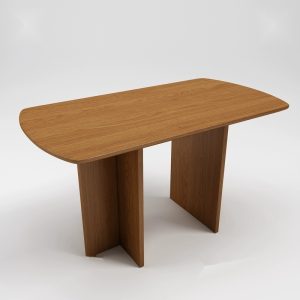
High-pressure laminate (HPL) tabletops are the dominant choice in the commercial dining industry, specified in approximately 55% of new restaurant openings. HPL is manufactured by fusing multiple layers of kraft paper impregnated with phenolic resin under high heat and pressure (1,000+ PSI at 150 degrees Celsius), topped with a decorative paper layer and a clear melamine wear layer.
HPL Advantages in Commercial Settings
Exceptional durability for the price point. HPL tabletops offer the best durability-to-cost ratio of any commercial tabletop material. The melamine wear layer provides excellent resistance to scratches, stains, and moisture. Premium HPL grades rated for commercial use (NEMA LD-3 standard) withstand 500+ rub cycles in abrasion testing, compared to 100-200 cycles for standard residential grades.
Design versatility. HPL is available in thousands of colors, patterns, and textures, including realistic wood grain, stone, marble, and metal finishes. This allows venue designers to achieve virtually any aesthetic — from rustic wood to sleek modern — at a fraction of the cost of the natural material being simulated. HPL can also be fabricated with matching edge treatments (post-formed, squared, beveled, or bullnose) to create a seamless appearance.
Low maintenance. HPL surfaces are non-porous and require only a damp cloth and mild detergent for routine cleaning. No sealing, waxing, or refinishing is needed. This simplicity translates into measurable labor savings over the table life — maintenance staff can clean HPL tables with standard all-purpose cleaners without special handling or additional steps.
Hygienic properties. The non-porous melamine surface does not harbor bacteria or absorb liquids, making HPL a hygienic choice for food service environments. HPL surfaces can be sanitized with standard food-service disinfectants without damaging the finish.
HPL Limitations to Consider
Non-refinishable. Unlike solid wood, HPL tabletops cannot be refinished. When the surface becomes worn, chipped, or delaminated, the entire tabletop must be replaced. Typical HPL tabletop lifespan in commercial use is 8-12 years, after which replacement is required.
Heat sensitivity. HPL surfaces can be damaged by direct contact with hot cookware, heat lamps, or serving dishes exceeding 140 degrees Celsius. Trivets and heat pads must be used consistently to prevent heat damage. Cigarette burns will permanently mark HPL surfaces.
Edge and corner vulnerability. The laminate layer can chip or delaminate at edges and corners if impacted by dropped objects or cleaning equipment. Impact-resistant edge banding and careful handling reduce but do not eliminate this risk. Post-formed edges (where the laminate wraps over the table edge) provide better edge protection than squared-edge with separate edge banding.
Repair difficulty. Scratches, stains, and chips in HPL cannot be spot-repaired. The entire tabletop must be replaced. For venues with many matched tables, a spare tabletop should be kept in inventory to maintain visual consistency when replacement is needed.
HPL Grade Comparison for Commercial Use
Not all HPL is created equal. For commercial restaurant applications, specify at least commercial-grade HPL (NEMA LD-3, Grade HGS or HGP). The highest grades offer thicker wear layers (0.05-0.08 inches) and more abrasion cycles than standard grades. Commercial-grade HPL typically costs 15-25% more than residential-grade but provides 2-3 times the wear life in high-traffic environments.
Our commercial dining tables are available with premium HPL tabletops in commercial-grade specifications, ensuring reliable performance in high-volume dining environments.
Sintered Stone and Porcelain Tabletops: The Premium Performer
Sintered stone (also known as ultra-compact surface or porcelain slab) represents the highest tier of commercial tabletop materials. Manufactured by compressing natural minerals, clays, and feldspar under extreme pressure (10,000+ tons) and temperature (1,200+ degrees Celsius), sintered stone creates a completely non-porous, ultra-dense surface that is virtually impervious to damage.
Sintered Stone Performance Characteristics
Heat resistance: Sintered stone withstands direct contact with hot cookware, flame, and temperatures up to 800 degrees Celsius without damage. Hot pots, serving dishes, and even chafing dishes can be placed directly on the surface without trivets. This eliminates a significant maintenance risk point compared to wood and laminate.
Scratch and abrasion resistance: Sintered stone has a Mohs hardness rating of 6-7 (comparable to granite), making it highly resistant to scratching from knives, utensils, and abrasive cleaning tools. The surface will not develop the fine scratches that accumulate on laminate over time. Stainless steel scrub pads can be used without concern — a maintenance advantage unique to stone surfaces.
Chemical resistance: Sintered stone is completely inert and non-porous. Spills of wine, coffee, oil, vinegar, and tomato sauce sit on the surface and wipe away without staining. Cleaning can be done with any non-abrasive cleaner, including bleach solutions and commercial sanitizers, without surface damage. The material does not absorb odors or bacteria — a significant hygiene advantage for food service environments.
UV stability: Sintered stone colors and patterns do not fade or yellow with UV exposure, making it the preferred choice for outdoor dining, poolside bars, and venues with significant natural light exposure. Wood and HPL both experience UV-induced color changes over time.
Sintered Stone Considerations and Trade-offs
Weight: Sintered stone tabletops weigh significantly more than wood or HPL alternatives. A standard 48 x 30 inch sintered stone top weighs approximately 25-35 kg (55-77 lbs), compared to 10-15 kg (22-33 lbs) for HPL. This requires heavier-duty table bases and may limit table mobility for venues that frequently reconfigure their floor layout. Floor loading should be verified for upper-level dining areas.
Cost: Sintered stone tabletops cost 2-4 times more than premium HPL and 1.5-2 times more than solid wood with commercial finish. The initial investment is substantial, but the surface will never need replacement under normal use — the lifetime cost may be lower than HPL over a 20-year operating period, factoring in multiple HPL replacements.
Edge impact sensitivity: While the surface is extremely hard and scratch-resistant, the edge of a sintered stone tabletop can chip if struck with sufficient force (e.g., a dropped metal tray or heavy serveware). Minor edge chips can sometimes be repaired with color-matched epoxy, but significant damage may require tabletop replacement. Protective edge profiles and careful handling in service areas reduce this risk.
Installation complexity: Sintered stone tabletops require professional installation due to their weight and the precision needed for proper base attachment. The stone must be properly supported across its entire surface to prevent stress fractures. Undermounting or top-mounting to the table base requires specialized hardware and techniques that not all furniture suppliers offer.
| Property | Solid Wood | HPL | Sintered Stone |
|---|---|---|---|
| Initial Cost | $$$ (High) | $$ (Mid) | $$$$ (Premium) |
| Scratch Resistance | Good (finish dependent) | Very Good (commercial grade) | Excellent (Mohs 6-7) |
| Heat Resistance | Moderate (use trivets) | Moderate (use trivets) | Excellent (up to 800 degrees C) |
| Stain Resistance | Moderate (finish dependent) | Good (non-porous surface) | Excellent (fully non-porous) |
| Maintenance | High (sealing, periodic refinishing) | Low (wipe clean, no sealing) | Very Low (wipe clean, no sealing) |
| Refinishable | Yes (3-5 refinishing cycles) | No (replace entire top) | N/A (surface is permanent) |
| Weight (48×30 in) | 12-18 kg | 10-15 kg | 25-35 kg |
| Lifespan (commercial) | 10-20 years (refinishable) | 8-12 years (replace) | 20+ years (no replacement) |
| Aesthetic Range | Natural wood grain, warm tones | Thousands of options, realistic simulations | Stone, marble, concrete, solid colors |
| Best Venue Type | Fine dining, farm-to-table, hotels | Casual dining, fast casual, chain restaurants | High-end fine dining, luxury hotels, outdoor dining |
How to Choose the Right Tabletop Material for Your Venue
The best tabletop material for your restaurant depends on your specific operational model, target guest demographic, and budget parameters. Use this decision framework to narrow your options:
Consider solid wood if: Your venue is fine dining or farm-to-table with an emphasis on natural materials and warm ambiance. You have maintenance staff capable of proper wood care and sealing. You are planning for a 10+ year operating horizon where the refinishing advantage will pay off. You are willing to accept some visible wear (patina) as part of the table’s character over time.
Consider HPL if: Your venue is casual dining, fast casual, or a chain restaurant with standardized interiors. Initial budget is a primary constraint. You need low maintenance and consistent appearance across multiple tables. You expect to renovate or rebrand within 8-12 years, at which point tables would be replaced anyway. You prioritize ease of cleaning and hygiene over premium aesthetics.
Consider sintered stone if: Your venue is high-end fine dining, a luxury hotel restaurant, or an outdoor/rooftop venue where heat resistance and UV stability are essential. Your budget accommodates a premium upfront investment in exchange for the lowest lifetime maintenance cost. You want a surface that will look as good in 20 years as it does on day one. You have reinforced table bases that can support the additional weight.
For many venues, the optimal solution is a mixed strategy: sintered stone for high-profile bar tops and premium dining zones, HPL for general dining areas where durability and low maintenance matter most, and solid wood for private dining rooms and VIP areas where the natural material experience adds perceived value. BAKA Furniture offers all three material options across our commercial dining table range, with matching bases and edge treatments for a cohesive aesthetic throughout your venue.
Frequently Asked Questions
Which tabletop material is easiest to maintain in a commercial kitchen or dining area?
High-pressure laminate (HPL) and sintered stone are the easiest materials to maintain in commercial environments. Both are non-porous, require only a damp cloth and mild cleaner for daily maintenance, and do not need periodic sealing or refinishing. Solid wood requires significantly more maintenance attention, including immediate spill wiping, periodic resealing, and eventual refinishing. For high-volume operations where maintenance labor is limited, HPL or sintered stone is the practical choice.
Can solid wood commercial tables be used outdoors?
Solid wood tables can be used outdoors if properly specified and maintained. Teak is the best choice for outdoor use due to its natural oil content and moisture resistance. Other species require a marine-grade or exterior-rated finish and should be brought indoors or covered during extended periods of rain or freezing weather. For permanent outdoor dining installations, sintered stone or powder-coated metal with weather-resistant materials is strongly recommended over wood.
How often does a commercial solid wood table need to be refinished?
In commercial use, a solid wood tabletop with catalyzed lacquer finish typically requires refinishing every 3-5 years, depending on traffic volume and maintenance quality. Signs that refinishing is needed include visible wear through the finish in high-contact areas, water rings that do not wipe away, and loss of surface gloss. Each refinishing cycle removes approximately 0.5-1 mm of wood surface material, allowing 3-5 refinishing cycles before the tabletop becomes too thin for practical use.
Is sintered stone worth the extra cost for a restaurant?
For high-end restaurants, luxury hotels, and outdoor venues, sintered stone is often worth the premium investment. Over a 20-year operating period, a sintered stone tabletop requires no replacement or refinishing, while HPL might need 1-2 replacements at 8-12 year intervals. When factoring in replacement costs, downtime for replacement, and maintenance labor savings, the total cost of ownership for sintered stone can be lower than HPL over a 15-20 year operating horizon. For venues with shorter operating horizons or lower traffic, HPL typically offers better value.
What is the best tabletop material for high-volume fast casual restaurants?
High-pressure laminate (HPL) with commercial-grade wear layer is the optimal choice for high-volume fast casual environments. It offers the best balance of durability, stain resistance, ease of cleaning, and cost. Solid wood would require excessive maintenance attention at the volumes typical of fast casual operations, while sintered stone adds unnecessary cost without proportional benefit for the service format. Premium HPL specified at NEMA LD-3 commercial grade will deliver 8-12 years of reliable service in fast casual conditions.
Can BAKA Furniture provide tabletop material samples?
Yes, BAKA Furniture provides physical samples of all tabletop materials for commercial buyers evaluating their options. Wood samples are available in each species with standard finish options. HPL samples cover the full range of colors and textures available. Sintered stone samples include popular colors and finishes. Contact our sales team to request specific samples for your project evaluation. Sample sets are shipped within 3-5 business days.
Related Products